Five ESIC University students are participating in the European project “Roots of Resilience” in Italy.
The Divina Seguros and ESIC University Chair of Analytical Thinking selected five students to participate in an international experience focused on resilience, emergency management, and civic engagement. From September 1 to 7, Marcelo Carmena, Pablo Gil, Celia Verdugo Sánchez, Salome Cortéz, and Claudia Sánchez-Malo Cabanero took part in “Roots of Resilience,” an international project held in Enego, in the Veneto region of Italy. The initiative brought together young people from various countries to learn about and develop tools related to emergency prevention and management, civil protection, climate change, and community resilience—a project based on learning by doing.
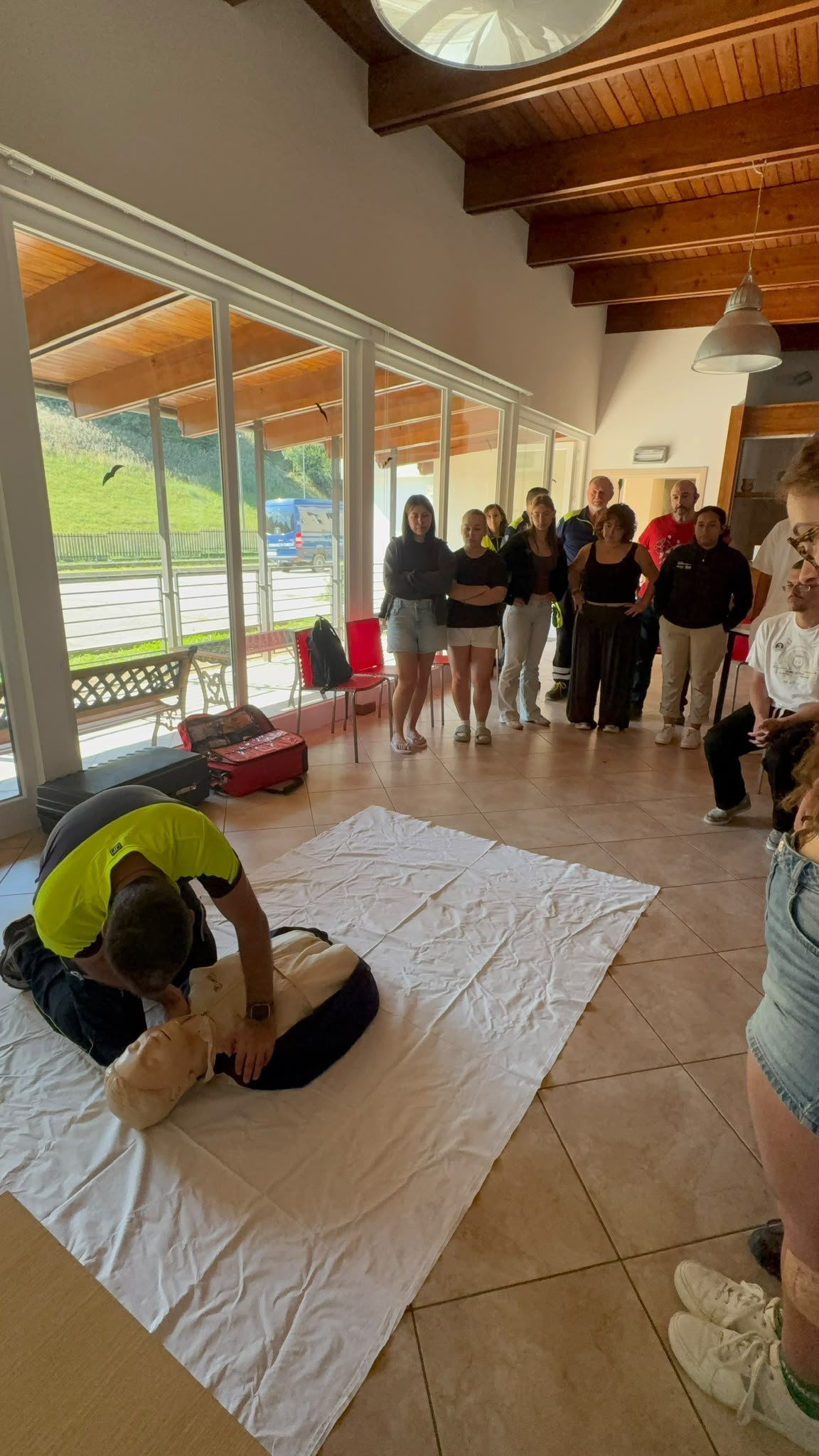
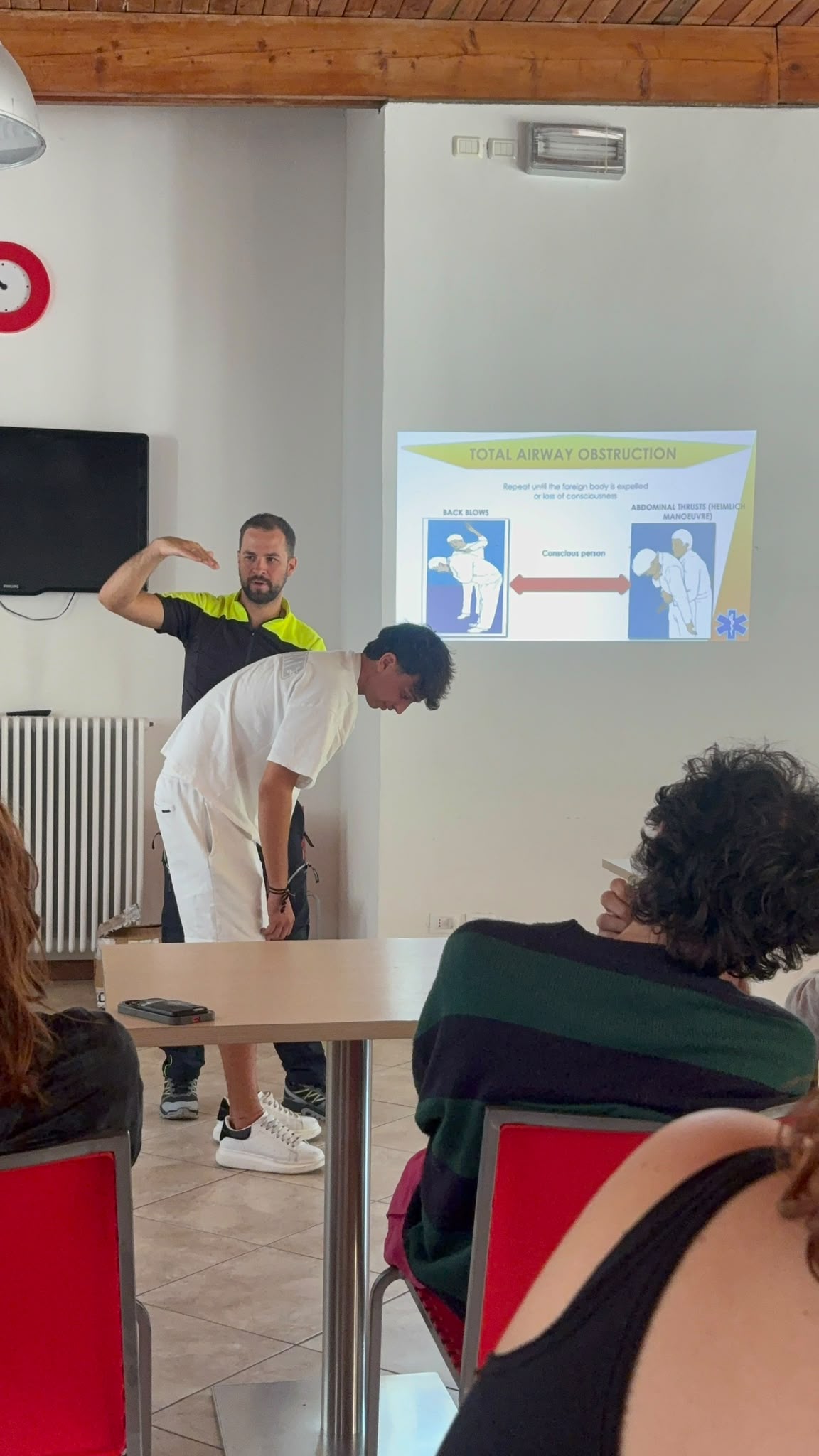
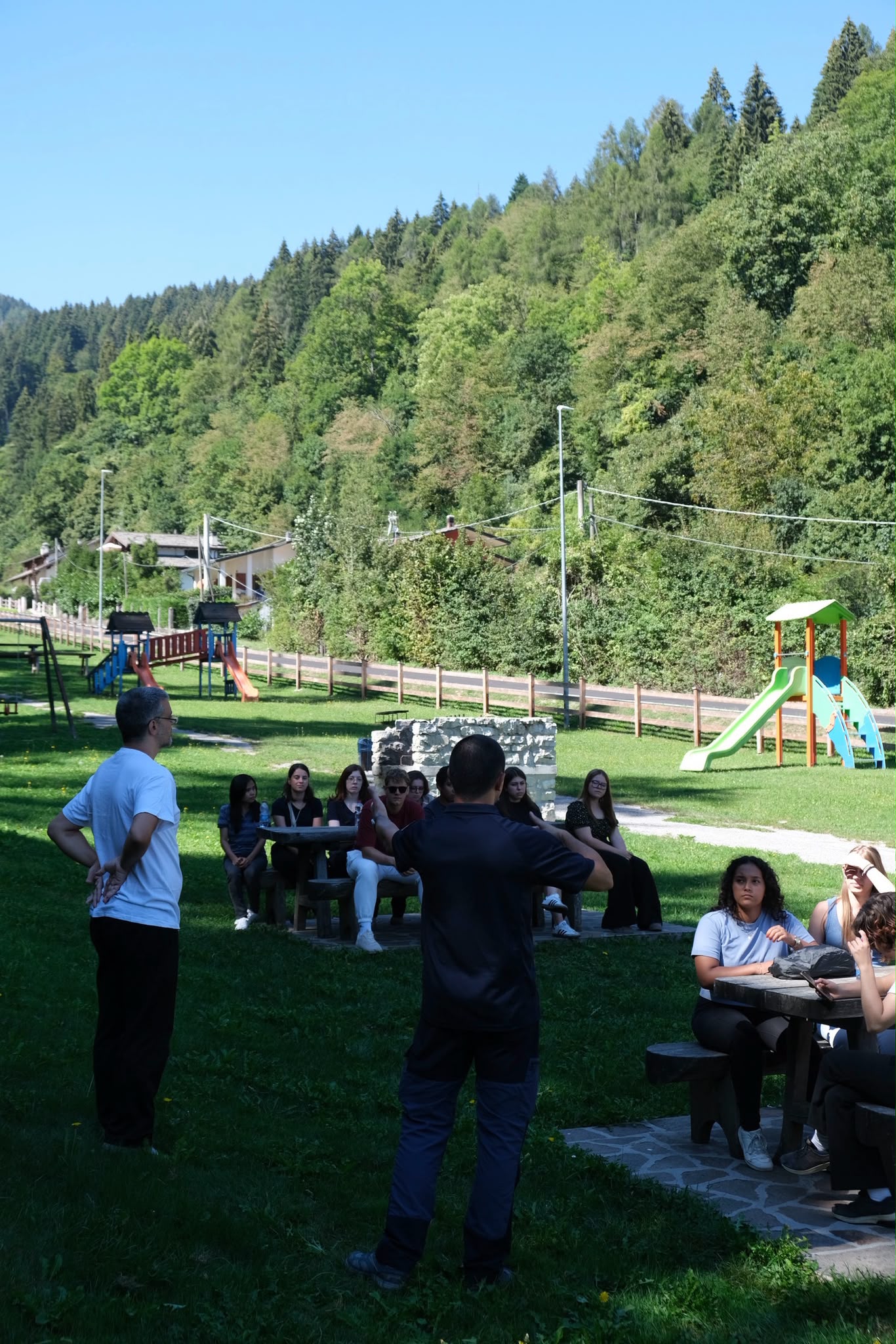
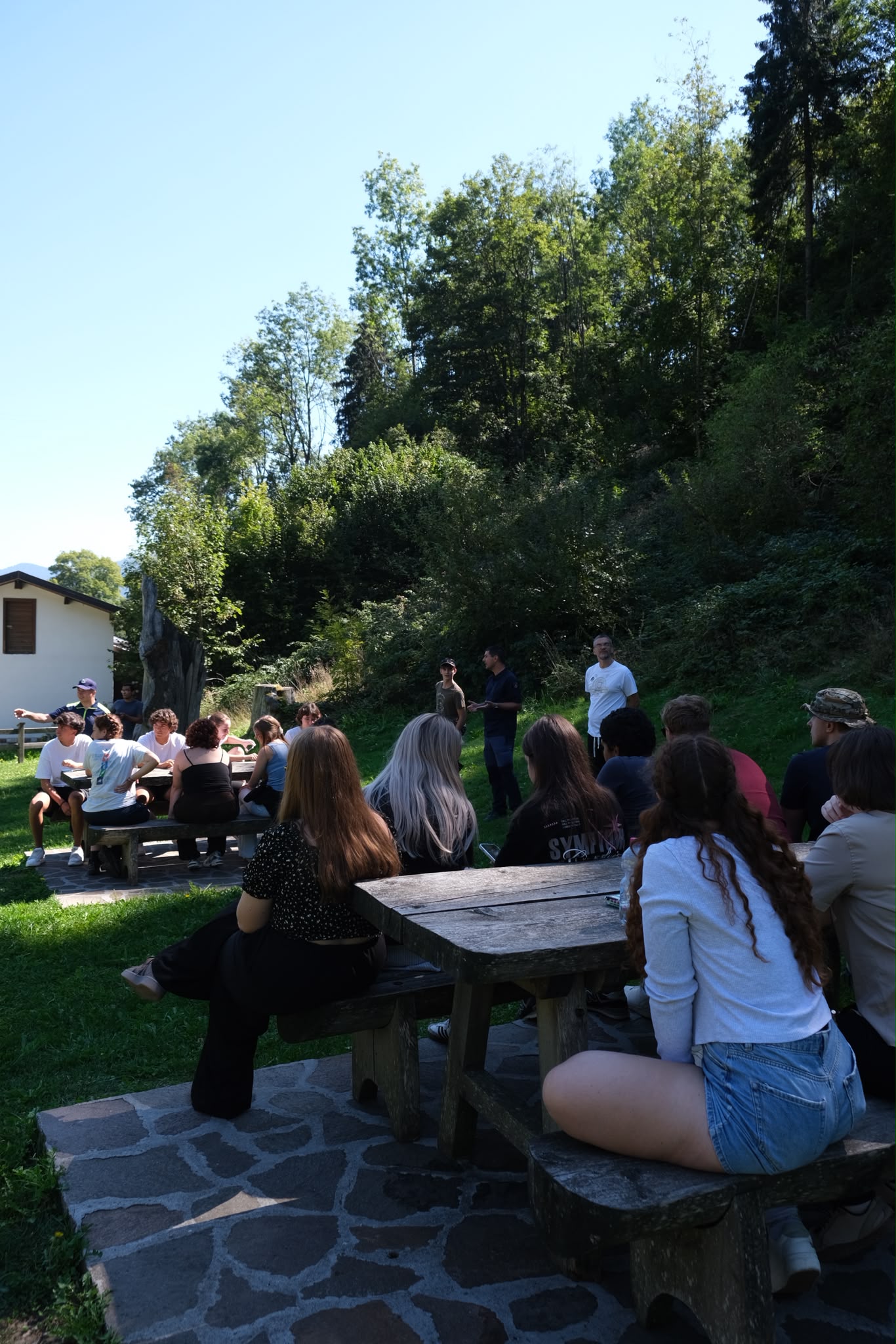
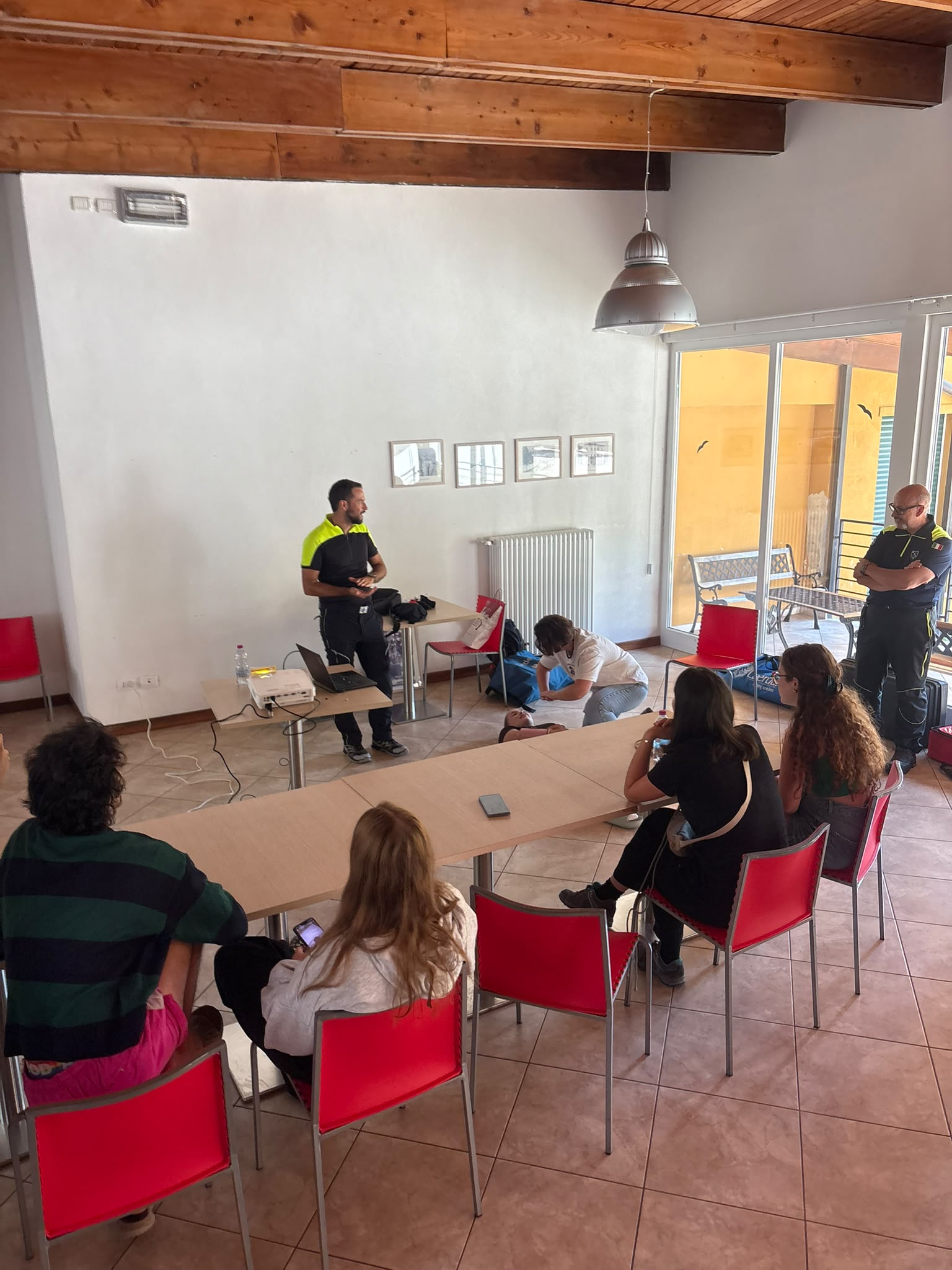
Roots of Resilience frames resilience as a capacity that can be developed at both the individual and collective levels. To this end, the program combined training sessions with practical activities, simulations, and field experiences.
Throughout the week, participants learned about the workings of the Italian Civil Protection system, as well as the important role volunteers play in emergency prevention and response.
The program addressed various aspects of emergency management, including disaster prevention, first aid, emergency communications, and the use of different tools and resources to respond to potential risk scenarios.
Enego: a territory for understanding resilience
The choice of Enego as the setting for the project is closely linked to its natural environment and the experiences the territory has undergone in recent years.
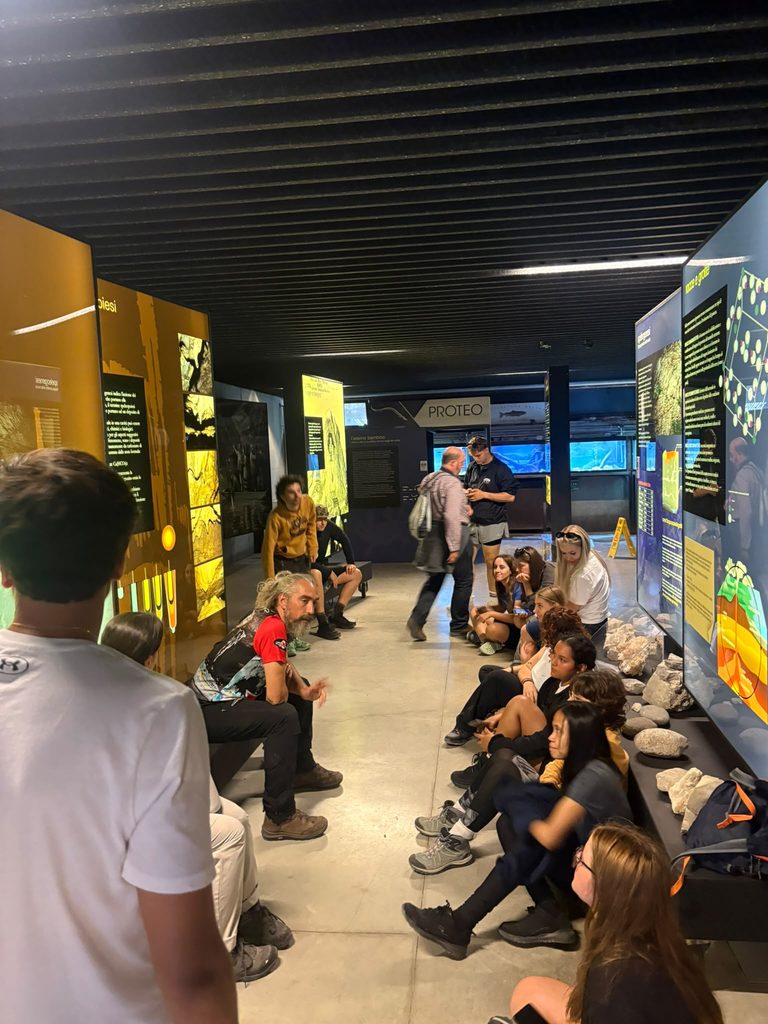
During their stay, the students visited the Marcesina area, a site of particular importance for understanding the effects of extreme weather events. The area suffered significant impacts following Storm Vaia in 2018, which caused severe damage to the region’s forests.
The visit made it possible to apply the concepts covered during the training sessions in the field and to understand how prevention, preparedness, and response capacity are fundamental elements for dealing with such situations.
The importance of volunteering and community
One of the highlights of the experience was learning about the role played by volunteers within the Italian Civil Protection model.
The response to an emergency does not depend solely on institutions and specialized professionals. Citizen preparedness, collaboration among various stakeholders, and the organizational capacity of communities are also part of the response.
In this regard, Roots of Resilience provided an opportunity to reflect on the importance of building communities capable of anticipating, responding to, and recovering from adverse situations.
An international experience
In addition to the educational content, the project offered the five ESIC University students the opportunity to share the experience with participants from different countries and backgrounds.
The international exchange fostered the sharing of knowledge, perspectives, and experiences regarding how different communities address challenges related to emergencies and climate change.
This international component transformed the project into a learning space beyond the classroom, where collaboration, communication, and teamwork played a fundamental role.
Five students, a shared experience
The participation of Marcelo Carmena, Pablo Gil, Celia Verdugo Sánchez, Salome Cortéz, and Claudia Sánchez-Malo Cabanero represents an opportunity to connect ESIC University students with international experiences linked to some of the major social and environmental challenges of our time.
Spearheaded by the Divina Seguros and ESIC University Chair of Analytical Thinking, this initiative reflects a commitment to complementing academic training with experiences that enable students to develop a critical perspective, gain insight into new realities, and tackle situations requiring adaptability, collaboration, and analytical thinking.
Because resilience does not consist solely of knowing how to react when a difficulty arises.
It also entails preparing, learning, collaborating, and building communities capable of facing the challenges of the future together.
For the five ESIC University students, Roots of Resilience has been an opportunity to take that learning outside the classroom and turn it into a shared experience.